
Introduction
Alloy 20 Needle Valves are essential in chemical processing for managing corrosive fluids with absolute accuracy. Their innovative tapering needle-and-seat mechanism enables ultra-fine flow control that conventional valves cannot match, and the alloy’s sulphuric acid and pitting resistance ensures long-term durability and operating safety in harsh settings.
Alloy 20 brings the chemical durability. This nickel-iron-chromium alloy was designed for sulphuric acid service and can withstand harsh circumstances that destroy stainless steel. Virgin Engineers makes Alloy 20 Industrial Needle Valves for corrosive, high-stakes process applications.
What Are Alloy 20 Needle Valves?
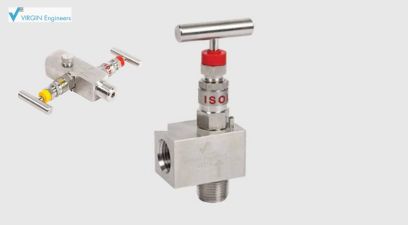
Needle valves use a slender, tapered plunger that seats precisely against a matching orifice. That geometry allows very fine flow adjustment, far more controlled than a ball or gate valve can offer. They’re the right choice where metering, throttling, or gradual pressure let-down is required.
Alloy 20 is manufactured by the addition of nickel, chromium, molybdenum and copper to provide superior resistance to sulphuric acid and other aggressive chemicals. Alloy 20 Needle Valves for Chemical Processing are accurate and metallurgically designed to handle the harshest plant media. Mechanically robust, these valves resist corrosion and provide accurate, repeatable flow control over the flow range.
Why Alloy 20 Is Ideal for Chemical Processing
Sulfuric acid destroys standard stainless steel valves fast. Alloy 20 stands up to it across a wide concentration and temperature range without pitting, cracking, or rapid material loss. That resistance extends to phosphoric acid, nitric acid, and many chloride-bearing environments.
It withstands pressure and load without deforming the seat. Our plants report longer valve replacement intervals, proving lengthy service life. A material that doesn’t corrode like regular grades requires less maintenance.
Top Industrial Uses of Alloy 20 Needle Valves in Chemical Processing
Acid Handling Systems
Sulfuric, phosphoric, and nitric acid lines need valves that won’t corrode from the inside. Alloy 20 Hydraulic Needle Valves provide leak-proof, corrosion-resistant flow control in exactly these conditions where a valve failure means a serious process and safety incident.
Petrochemical Industry
Flow regulation in petrochemical pipelines involves aggressive fluids and gases under sustained pressure. Alloy 20 needle valves handle both, providing reliable throttling control without degrading under the chemical load.
Pharmaceutical Manufacturing
Precision flow control in pharmaceutical processes protects product purity. Alloy 20’s non-reactive surface keeps the process clean and contamination-free through the full production cycle.
Fertiliser Plants
Ammonia and acid-based systems in fertiliser production are highly corrosive. Alloy 20 needle valves hold up reliably in these conditions, maintaining control accuracy without the corrosion-related failures that affect cheaper valve materials.
Water Treatment Plants
Chemical dosing systems that deliver chlorine, acids, or coagulants require precise flow control. Alloy 20 valves can endure chlorinated and acidic dosing solutions without degrading the seal or body.
Oil & Gas Refineries
High-pressure flow control in refining process lines exposes valves to sour gas, hydrogen sulphide, and reactive hydrocarbons. Alloy 20’s tolerance to various conditions ensures that valves remain functional and tight during long durations of service.
Key Benefits of Using Alloy 20 Needle Valves
The benefits of Alloy 20 Needle Valves are explained in detail in the following points
Superior corrosion resistance
This alloy excels in sulfuric acid and aggressive chemical environments where standard stainless steel grades typically fail or suffer from pitting.
Accurate flow control
The specialized tapered needle design allows operators to achieve precise, repeatable flow adjustments, which is critical for sensitive chemical dosing applications.
High durability and strength
The valves retain their structural and sealing integrity even after being exposed to heavy pressure loads and continuous exposure to chemicals over a period of time.
Cost-effective in long-term use
Investing in Alloy 20 leads to a significantly longer service life, resulting in fewer replacements and less frequent unplanned operational downtime.
Factors to Consider When Choosing Alloy 20 Needle Valves
The pressure and temperature ratings should be related to the operating conditions of the specific process line. Chemical compatibility: Define chemical compatibility, particularly in terms of medium concentration and temperature. Valve size and end connection type must match the existing piping. Industry standards and certifications matter for regulated applications; we supply them with full documentation and traceability as standard.
Conclusion
Alloy 20 needle valves deliver where standard materials fall short in acid service, aggressive chemical environments, and precision-controlled process lines. They combine fine flow control with the corrosion durability that chemical processing demands. Assess your process conditions, confirm the chemical compatibility, and consult our team at Virgin Engineers for the right specification and a competitive quote.