
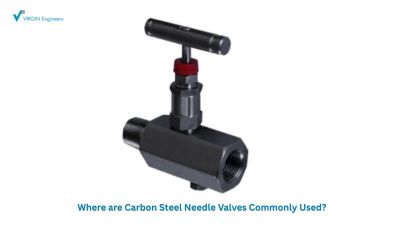
Carbon steel needle valves are precision flow-control valves used in industrial systems that require careful regulation of pressure and fluid flow. These are not general-purpose shutoff valves. The tapered needle-shaped plunger allows operators to make fine adjustments to flow rate, which a gate or ball valve cannot do with the same accuracy. Industries working under high-pressure conditions prefer carbon steel construction because it withstands mechanical stress, handles elevated temperatures reasonably well, and costs less than stainless steel or exotic alloys for applications where corrosion is not the primary concern. Understanding the Specification of Carbon Steel Needle Valves matters before selecting valves for any system, as pressure ratings, temperature limits, connection types, and material grades vary across product lines and directly affect performance in specific operating environments.
What are Carbon Steel Needle Valves?
A needle valve is a valve that controls the flow of fluid or gas through a small orifice with a long, slender, tapered point. The needle fits in a seat and turning the stem will move the needle in or out, increasing or decreasing the flow opening by very small increments. This gives much tighter flow control than most other valve types.
Carbon steel construction gives the valve body mechanical strength and the ability to handle high pressures. The material does not have any inherent corrosion resistance, and therefore, these valves are used in systems where the process fluid is not highly corrosive. Carbon steel needle valves are suitable for general industrial service and are less expensive than higher alloys.
The key functional characteristics are fine flow control, tight leak-proof sealing when fully closed, and reliable performance under high-pressure conditions. These are used in instrumentation lines, sampling systems, and anywhere a controlled, measurable flow adjustment is needed.
Why Industries Prefer Carbon Steel Industrial Needle Valve Solutions
The preference for carbon steel industrial needle valve configurations comes down to a few practical reasons.
Carbon steel has good tensile strength, so these valves can be rated for higher pressure classes without the body becoming excessively heavy. In hydraulic lines, gas service, and steam instrumentation, that matters. The material also costs less than stainless steel or Monel. For systems handling non-corrosive media such as instrument air, hydraulic oil, or dry gas, there is no technical reason to pay a premium for higher-alloy materials.
Service life in appropriate applications is long. Proper maintenance and suitable service conditions will allow these valves to operate for years without replacement. Availability of spare parts to minimize downtime and simplify maintenance inventory. Compatible with standard carbon steel valve fittings and tubing systems.
Common Industrial Applications of Carbon Steel Needle Valves
Oil and Gas Industry
In oil and gas, carbon steel needle valves are used for flow regulation in pipelines and in instrumentation manifolds. Pressure gauges and transmitters connected to process lines typically have a needle valve upstream for isolation during instrument removal or calibration. Sampling points on hydrocarbon lines also use these valves for controlled, metered drawoff of process fluid.
Chemical Processing Plants
Carbon Steel Industrial Needle valves are used in chemical plants in dosing systems, sampling lines, and process isolation points. Precise flow control in a dosing device helps to maintain consistent addition rates where small variations can affect reaction results. For chemical service, compatibility of carbon steel with the specific process fluid must be verified before selection. Not all chemical media are suitable for carbon steel, and getting this wrong shortens valve life considerably.
Power Generation Plants
Boilers need pressure and temperature monitoring instruments. The connecting lines from the boiler to these instruments use needle valves for safe isolation. Carbon steel valve bodies in the right pressure class handle the pressures and temperatures found in steam service. Feedwater lines, vent connections, and drain points in power plants commonly use this valve type.
Hydraulic and Pneumatic Systems
In hydraulic systems, needle valves are used to control flow to actuators and to control pressure in pilot lines. In pneumatic systems, they control air flow to control devices and positioners. The carbon steel’s ability to withstand pressure and the needle design’s ability to meter precisely are a good fit for both these applications. The carbon steel industrial needle valve’s ability to maintain its set position when under load directly impacts flow stability and system pressure consistency.
Water Treatment Plants
In water treatment, needle valves appear in pressure monitoring lines and chemical dosing systems. They allow controlled flow through sampling and monitoring connections without disturbing the main process. Carbon steel suitability here depends on the water chemistry and treatment chemicals in use. Some treatment programs involve chemicals aggressive enough to rule out carbon steel.
Marine and Offshore Applications
Offshore platforms and marine vessels have limited installation space and demanding operating conditions. Needle valves are used in these environments where the service media is compatible with carbon steel. The compact body size of most needle valve designs suits tight spaces found in marine system installations. Material selection still needs to be reviewed for each application, given the generally harsh offshore environment.
Key Features to Consider When Choosing Carbon Steel Needle Valves
Pressure rating is the starting point. The valve must be rated for the maximum operating pressure, including any spikes in the system. End connections must match the tubing or pipe specifications in the installation, whether NPT, BSPT, compression, or another standard.
Thread standard compatibility matters on projects where equipment from different regions follows different standards. Temperature compatibility should be checked against actual service conditions. Carbon steel has defined limits on both low and high-temperature service, and not all grades behave the same at extremes. The seat design and the type of packing material influence the long-term performance in service, as does the sealing performance. Valve size is to be appropriate to flow requirements without over- or undersizing the control range.
How to Select the Right Carbon Steel Industrial Needle Valve
Start by identifying the application type. Instrumentation isolation, flow metering, sampling, and pressure regulation each have different requirements in terms of control sensitivity and pressure class.
Verify media compatibility. Carbon steel is not resistant to acids, salt water or aggressive process chemicals. Minimum acceptable valve rating based on pressure and temperature requirements. Always consider transient conditions, not just steady-state operation. Before procurement, check compliance requirements (ASME, BS or other applicable standards) as these affect material certifications and test documentation.
Conclusion
Carbon steel needle valves are found in oil and gas, chemical processing, power generation, hydraulic systems, water treatment, and marine applications. The reason is simple: they hold up under high pressure, offer precision flow control and cost less than alloy options when carbon steel is the right material choice.
Virgin Engineers manufactures carbon steel needle valves and instrumentation valves in a wide range of materials and configurations. Please contact the team to discuss appropriate valve specifications for your specific application requirement.